Imitation Learning for Robotics: Why Production Floors Are Shifting From Scripts to Demonstrations
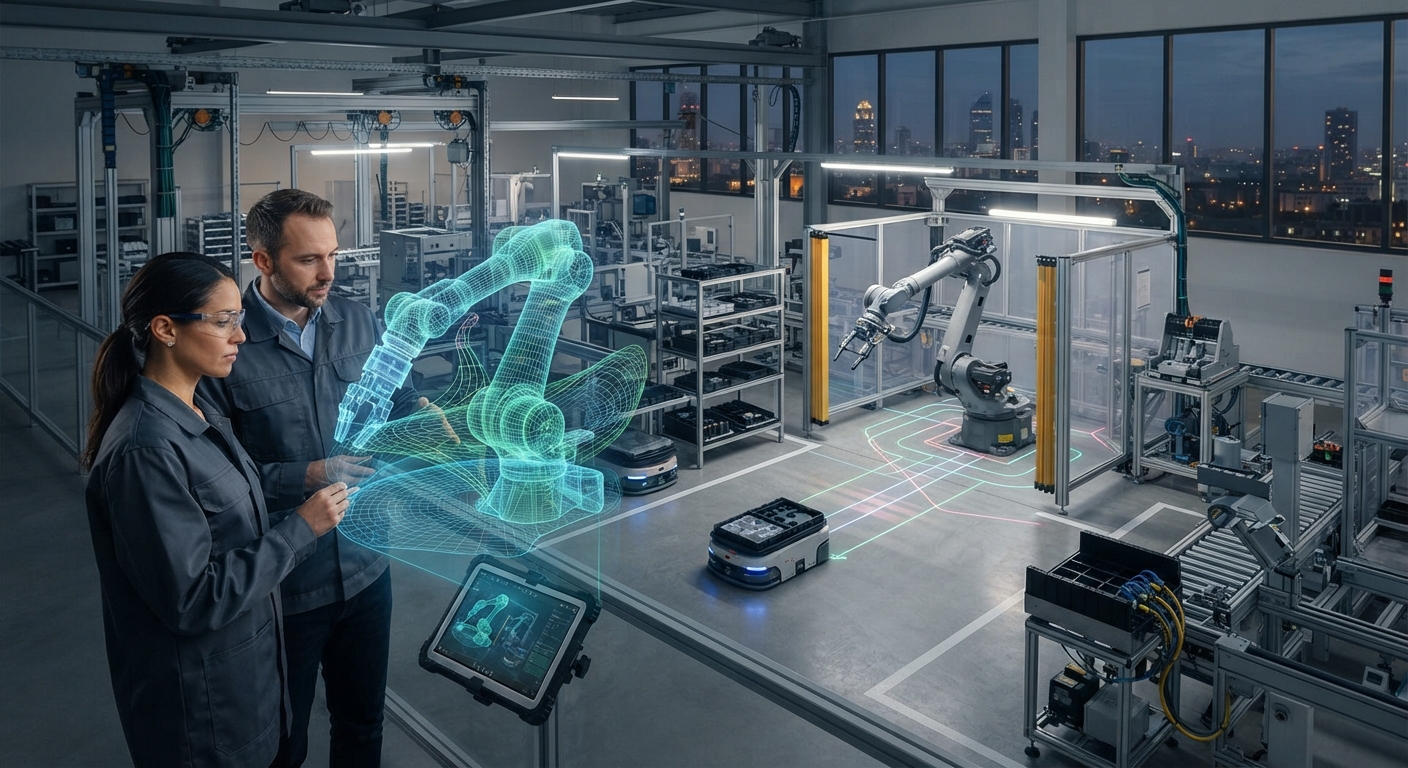
Traditional industrial automation was built around fixed coordinates and deterministic routines. As long as a robot operates inside a static cell with consistent part geometry and predictable feeding, hard-coded trajectories hold up well. Once a line introduces flexible harnesses, irregular packaging, smaller batch runs, or contact-heavy assembly with variable clamping forces, writing explicit rules for every edge case turns into endless code maintenance.
Imitation learning for robotics changes the workflow: instead of specifying every motion mathematically or logically, engineers demonstrate how a task is performed, and the model learns to map sensory observations to control actions from those demonstrations. For manufacturing operations, it offers a practical way to bring complex manual and semi-automated tasks under controllable automation faster.
Why Imitation Learning Is Gaining Traction on Production Floors
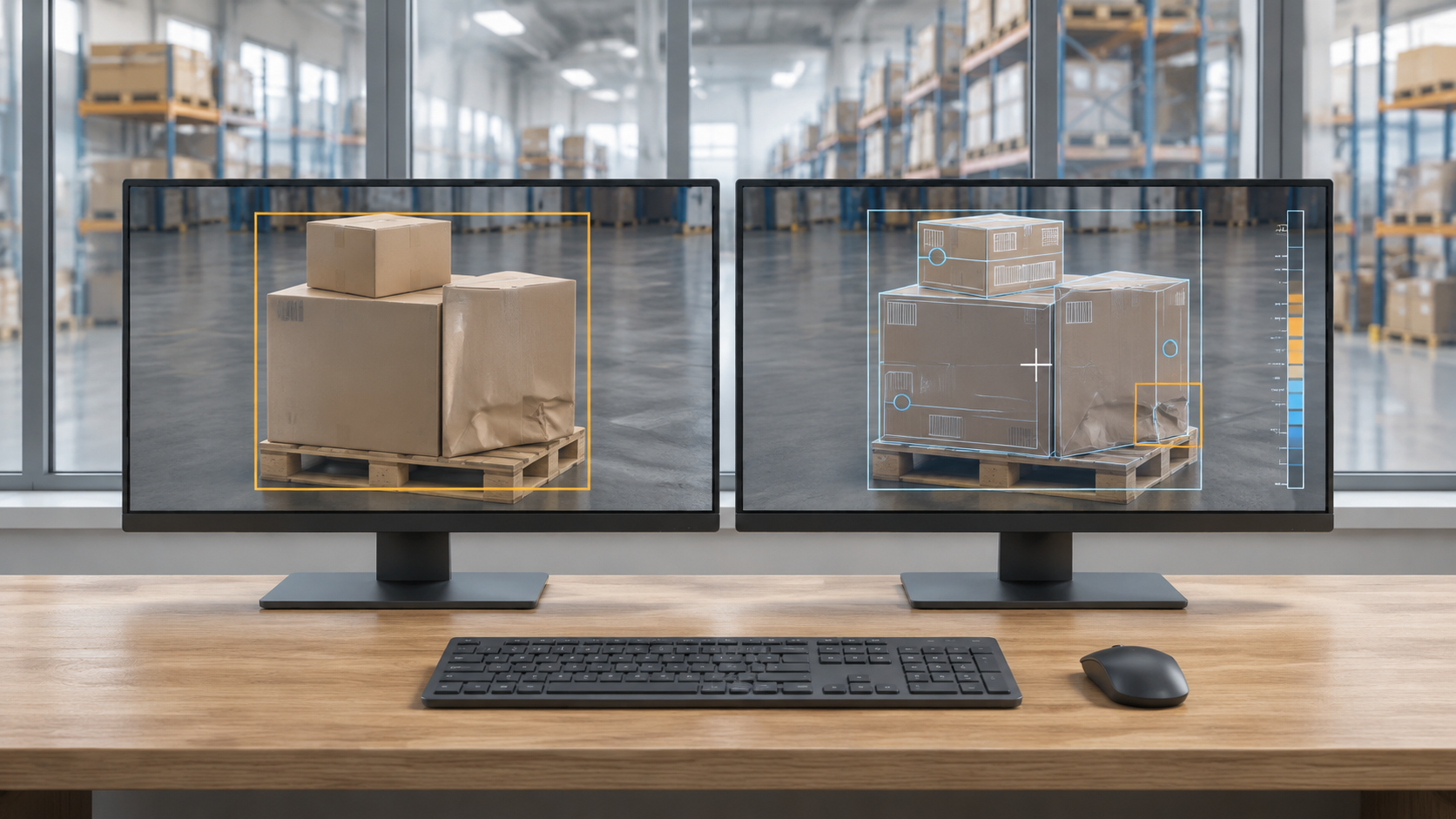
In practice, teams exploring reinforcement learning or large generative policies for physical tasks often hit two hurdles: designing reward functions that behave reliably in contact-rich settings and gathering realistic interaction data. On a real shop floor, gripper coordinates are only part of the picture - contact force, tool compliance, surface friction, micro-misalignments, and sensor degradation from dust or glare all shape outcomes.
- Lower cost of adapting to part variability: When SKUs, tooling, or packaging formats change frequently, demonstrating a skill via teleoperation or guided motion is often faster and cheaper than rewriting rigid path scripts from scratch.
- Capturing tacit operator know-how: Experienced assemblers and line technicians instinctively compensate for play, slight misalignment, and material quirks - demonstrations record those adjustments directly in state-action trajectories.
- Stronger performance in contact-rich tasks: Harness routing, connector insertion, handling compliant or deformable parts, snap-fitting components, and fine alignment align more naturally with learning from demonstrations than pure geometric programming.
Bringing these learned policies into real control loops - from time-synchronized data collection on active machinery to validation in simulation and on the line - requires tight coordination across robotics, data engineering, and industrial safety, an area where Denali Elevate (denalielevate.com) continues to build practical integration expertise.
How a Practical Imitation Learning Pipeline Works on the Floor
In applied industrial engineering, imitation learning rarely stops at basic behavioral cloning on raw recordings. If a policy only sees ideal runs, small deviations on the line can push it outside familiar territory. Production-minded teams treat data collection and training as a structured engineering discipline:
- Time-synchronized demonstrations: Record teleoperation, kinesthetic teaching, or operator workflows alongside RGB/depth cameras, force-torque sensors, and joint encoders under strict hardware clock alignment.
- Coverage of edge cases and recoveries: Capture recovery maneuvers after slight part offsets or minor resistance, not just clean cycles, so the policy can handle real-world imperfections without stalling.
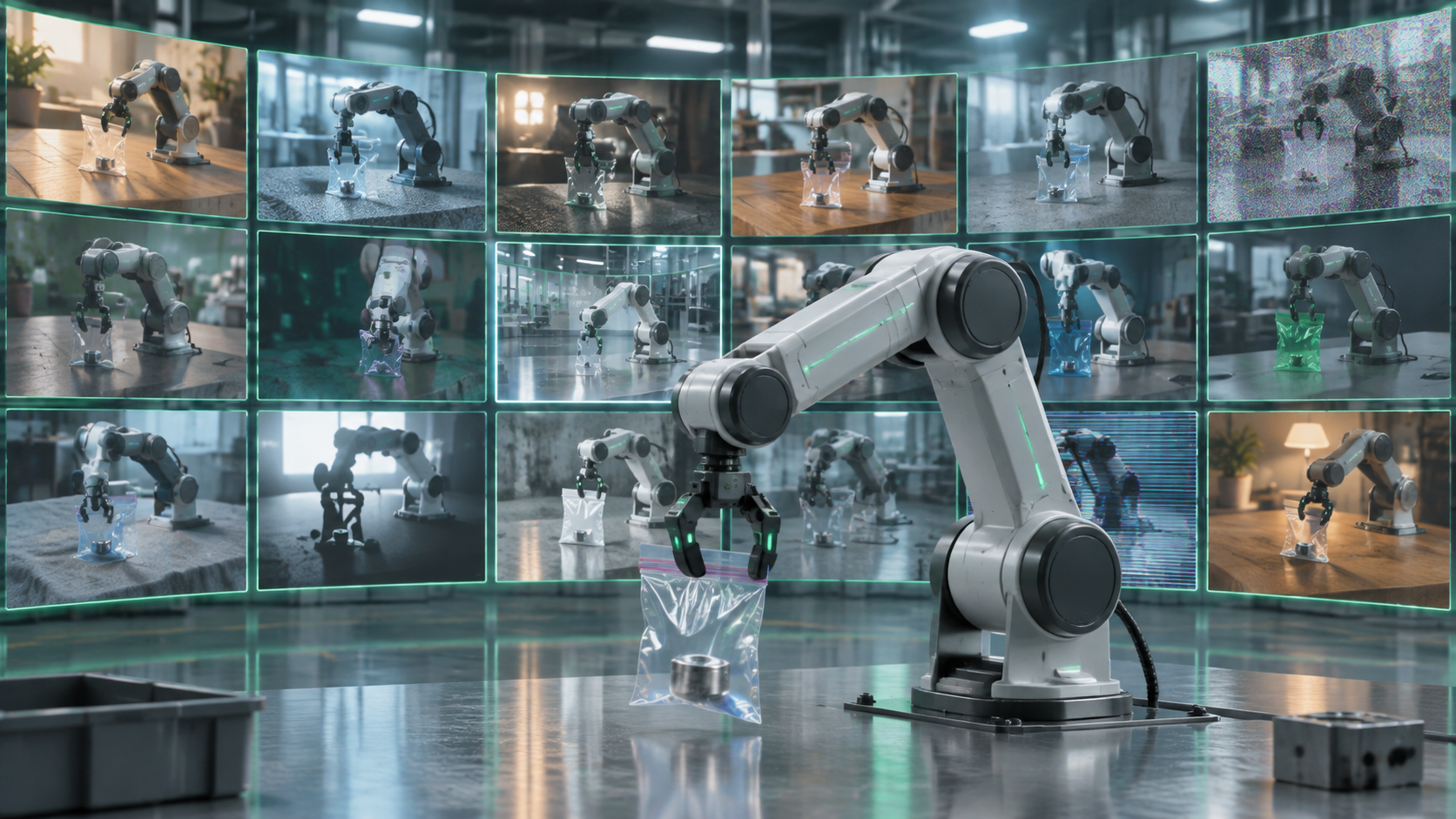
- Simulation augmentation and physical guardrails: Use physics-based simulation to broaden coverage across lighting shifts, object poses, and friction variations, while enforcing hard torque, speed, and zone limits to protect equipment and staff.
- Pre-line verification: Test trained policies against recorded edge cases, dry runs, and supervised commissioning before full production handoff.
Adoption Across Manufacturing in the UAE
The United Arab Emirates continues to expand domestic manufacturing, automated logistics, and industrial hubs under national AI and Industry 4.0 agendas. For manufacturers and industrial operators across the UAE, imitation learning addresses several clear operational pressures:
- Tighter availability of skilled manual labor: For tasks requiring dexterity and judgment that do not fit rigid stamping or fixed-jig automation, adaptable manipulators and mobile systems help ease bottlenecks.
- Greenfield and modernized facilities: New plants and upgraded lines in hubs like Dubai and Abu Dhabi are increasingly built with richer sensor telemetry, flexible cell layouts, and multi-product lines in mind.
- Demanding operating conditions: Heat, airborne dust, reflective surfaces, and mixed material flows quickly expose brittle automation, making data-grounded training and thorough pre-deployment validation essential before scaling across a facility.
Where Projects Stall in Real Operations
A common pitfall with imitation learning on the factory floor is assuming a handful of clean demonstrations is enough for shift-long reliability. If training data misses real sensor noise, actuator lag, lighting changes, or fixture wear, policy behavior can degrade quickly once live production begins.
A more reliable path is to start with one well-defined operation tied to clear operational metrics, collect diverse demonstrations on representative hardware, enforce deterministic safety boundaries from the start, and expand to adjacent cells only after the workflow proves stable in daily run conditions.
About Denali Elevate Editorial Team
The Denali Elevate Editorial Team covers physical AI, robotics infrastructure, simulation, and enterprise deployment practices.