What Is Full-Stack Physical AI?
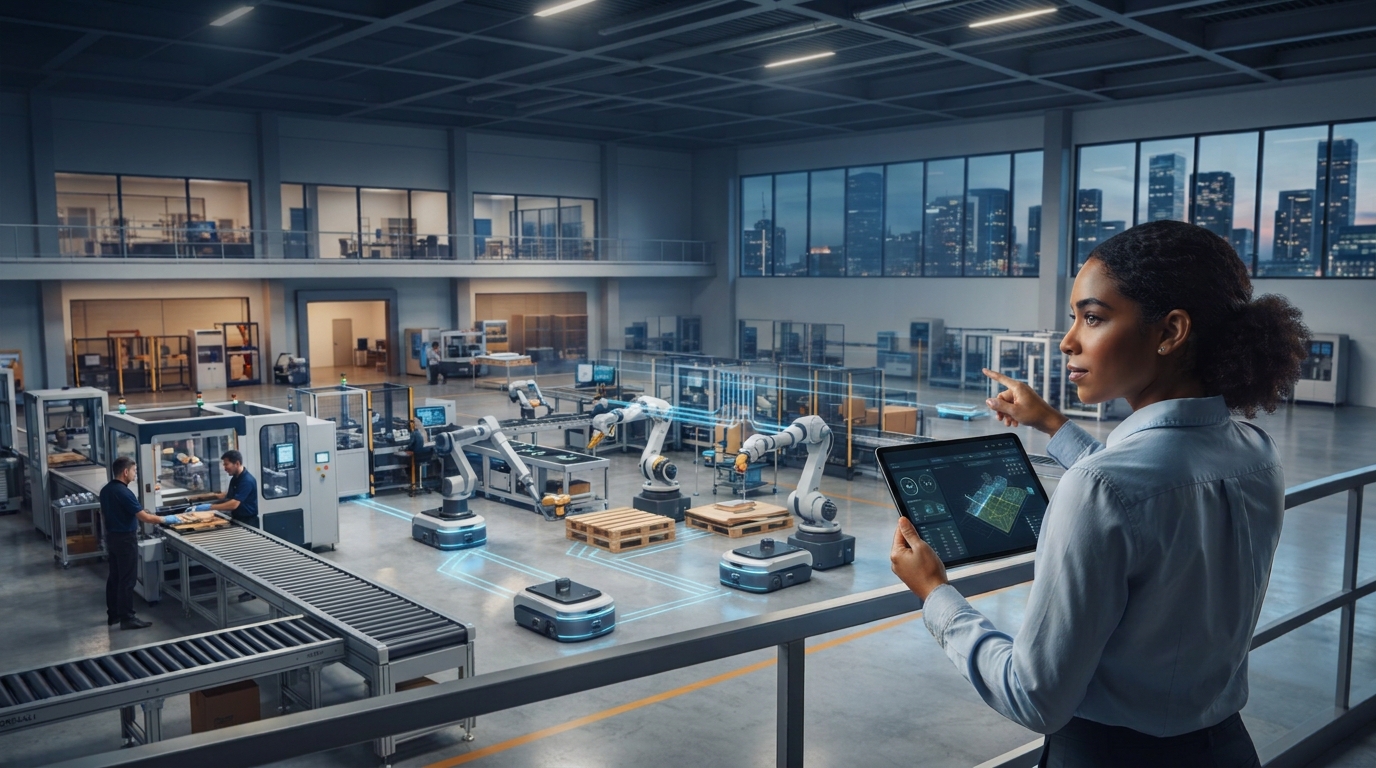
Most conversations about artificial intelligence still revolve around screens. A prompt goes in, text or code comes out, and the hardest consequence of a bad answer is an awkward sentence or a broken function. When you move intelligence out of a chat window and into a warehouse aisle, a factory floor, or an active utility corridor, the rules change completely. A delayed signal or a misread object no longer causes a minor glitch—it causes a collision, a missed safety threshold, or hours of unplanned downtime.
That shift is what full-stack physical AI is built to handle. Rather than treating machine learning as a standalone software layer bolted onto existing hardware, a full-stack approach treats perception, decision-making, control, simulation, and real-world deployment as a single engineered system.
Why "Full-Stack" Matters When Machines Interact with the World
In traditional software, you can ship an update on Friday afternoon, watch logs over the weekend, and roll back if something behaves oddly. Physical environments rarely forgive trial-and-error. Floors have uneven traction, lighting shifts from morning glare to night shadows, pallets sit slightly crooked, and people walk through areas where machines operate.
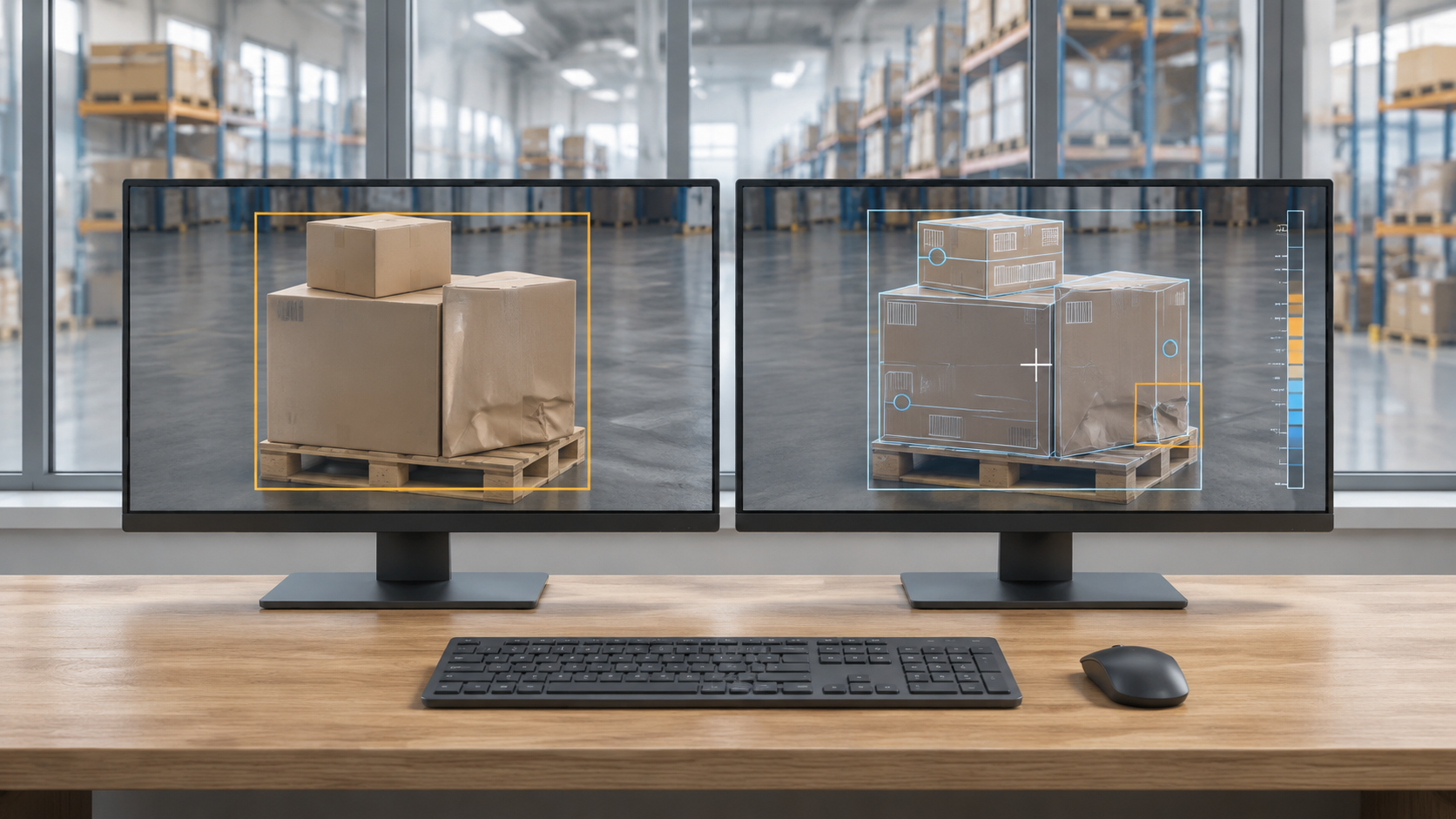
A partial AI setup often breaks down at the seams. A vision model might recognize a box accurately in clean lab lighting, yet fail when steam rises from a process line or a forklift casts a sharp shadow. Even when perception is rock-solid, a slow planning loop can make a robot react a fraction of a second too late. Full-stack physical AI closes those gaps by designing the entire pipeline together—from raw sensor streams all the way down to motor commands and safety guardrails.
The Layers of a Full-Stack Physical AI Architecture
While every deployment has its own constraints, a complete physical AI stack generally brings together several tightly coupled layers:
- Sensors and Multimodal Perception: Combining cameras, depth sensors, radar, or LiDAR so a system understands geometry, motion, and context rather than relying on a single fragile viewpoint.
- World Modeling and Reasoning: Turning noisy sensor readings into a usable picture of the environment - tracking moving obstacles, estimating states, and predicting what is likely to happen next.
- Motion Planning and Control: Translating high-level goals into smooth, bounded trajectories and low-level actuation commands that respect physical inertia, grip limits, and mechanical wear.
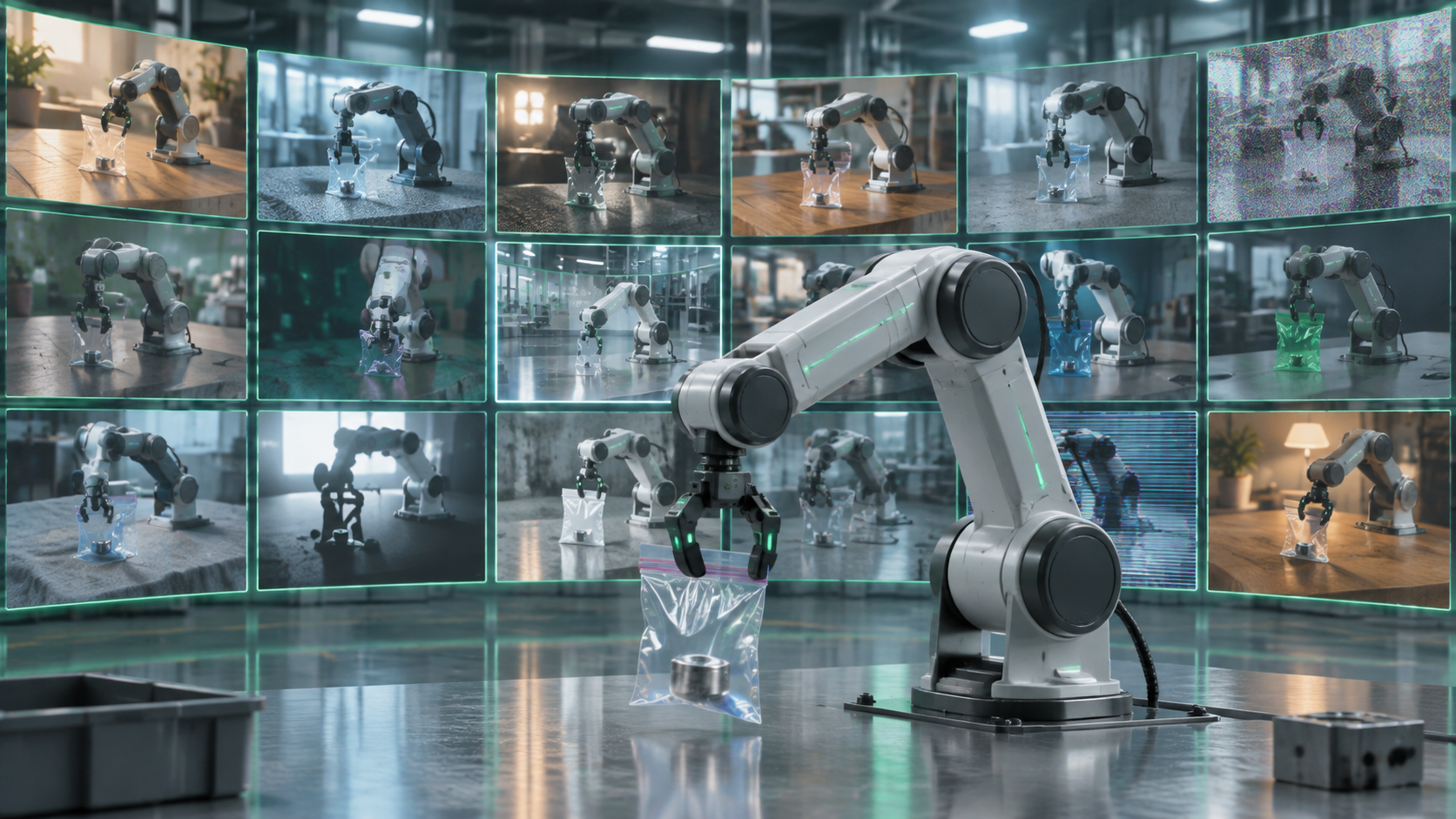
- Simulation and Safety Verification: Testing thousands of edge cases—slippery surfaces, sensor dropouts, sudden obstacles, tight clearances—in virtual environments before exposing real equipment to risk.
- Edge Runtime, Telemetry, and Fleet Operations: Running inference on-device where low latency is non-negotiable, while feeding real-world telemetry back into updates, diagnostics, and multi-unit coordination.
How Denali Approaches Full-Stack Physical AI
Companies operating in demanding industrial and logistical settings increasingly look for partners that can own the full journey from architecture to live operation rather than handing over an unfinished prototype. Denali (denalielevate.com) positions itself directly in this space, delivering full-stack physical AI tailored to environments where reliability and real-world execution matter just as much as model quality.
By connecting intelligent perception and adaptive control with rigorous validation and practical deployment workflows, Denali helps organizations move autonomous and AI-assisted systems out of controlled test bays and into everyday operations. Instead of forcing teams to stitch together disconnected research tools, custom scripts, and brittle integrations on their own, a full-stack partner aligns the software intelligence with the realities of physical infrastructure, facility workflows, and safety requirements.
From Clever Demos to Dependable Operations
The real test of physical AI is rarely how impressive it looks on a calm afternoon; it is how predictably it performs on a busy Tuesday when conditions are messy. Full-stack thinking gives engineering and operations teams a clear way to bridge that divide—pairing adaptable machine intelligence with disciplined controls, realistic testing, and continuous real-world feedback.
About Denali Elevate Editorial Team
The Denali Elevate Editorial Team covers physical AI, robotics infrastructure, simulation, and enterprise deployment practices.