Foundation Models in Robotics: From Single-Purpose Stacks to Generalized Intelligence
The robotics industry is undergoing a paradigm shift. For decades, the standard approach to building autonomous systems involved creating highly specialized, single-purpose software stacks tailored to specific hardware and tightly constrained environments. Today, the emergence of physical AI and foundation models is breaking down these silos, paving the way for generalized intelligence in robotics.
What Are Foundation Models in Robotics?
In the realm of natural language processing, foundation models like GPT-4 are trained on vast amounts of text data, enabling them to perform a wide variety of downstream tasks with minimal fine-tuning. In robotics, a foundation model is a large-scale neural network trained on diverse, multi-modal data—including vision, proprioception, and action sequences—across multiple robot embodiments and environments.
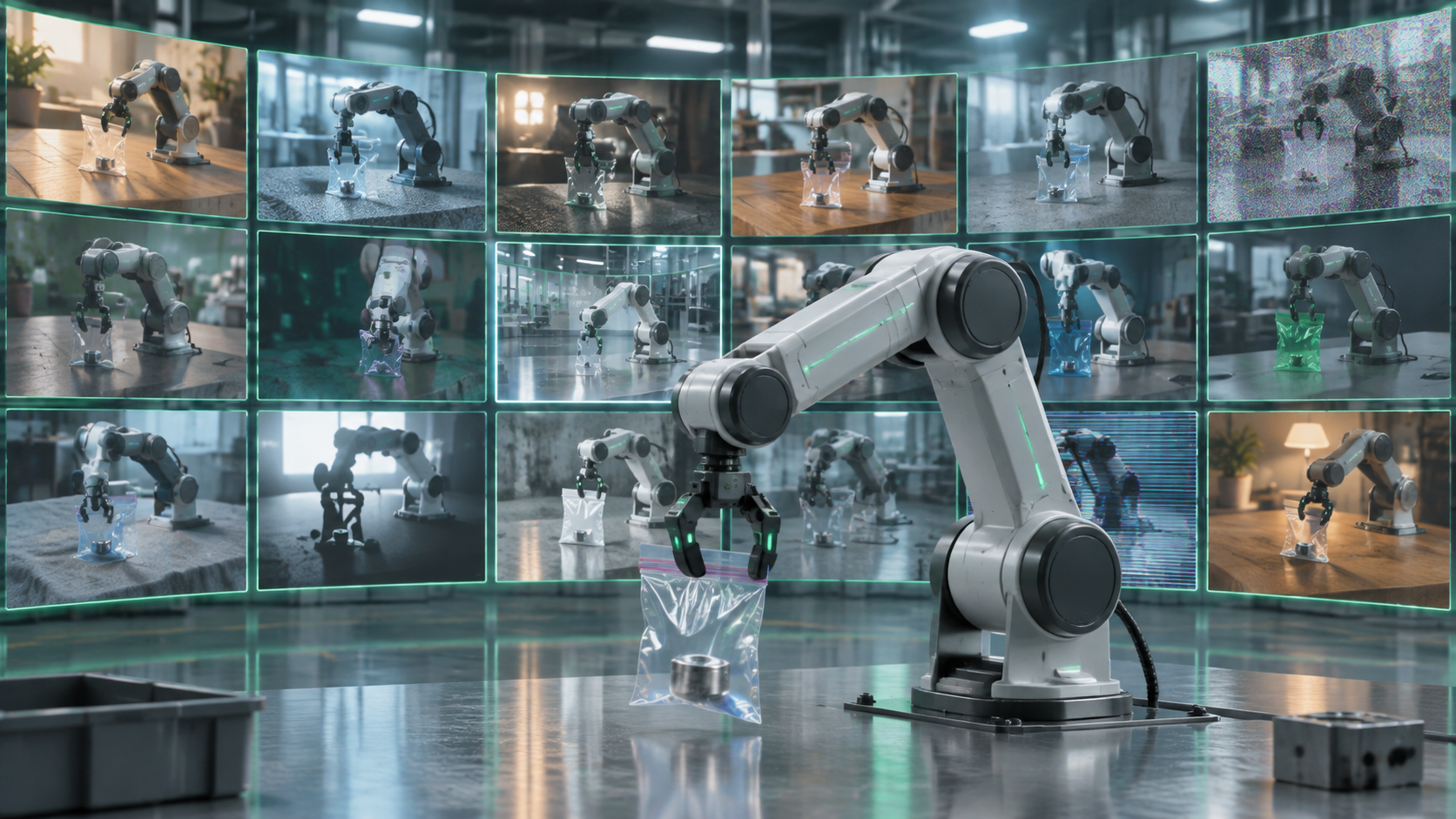
Instead of training a robotic arm solely to pick up a specific type of box, a foundation model learns the generalized physics of grasping, spatial reasoning, and object manipulation. This generalized understanding can then be adapted to specific tasks, drastically reducing the time and data required to deploy new automation solutions.
The Power of Cross-Embodiment Training
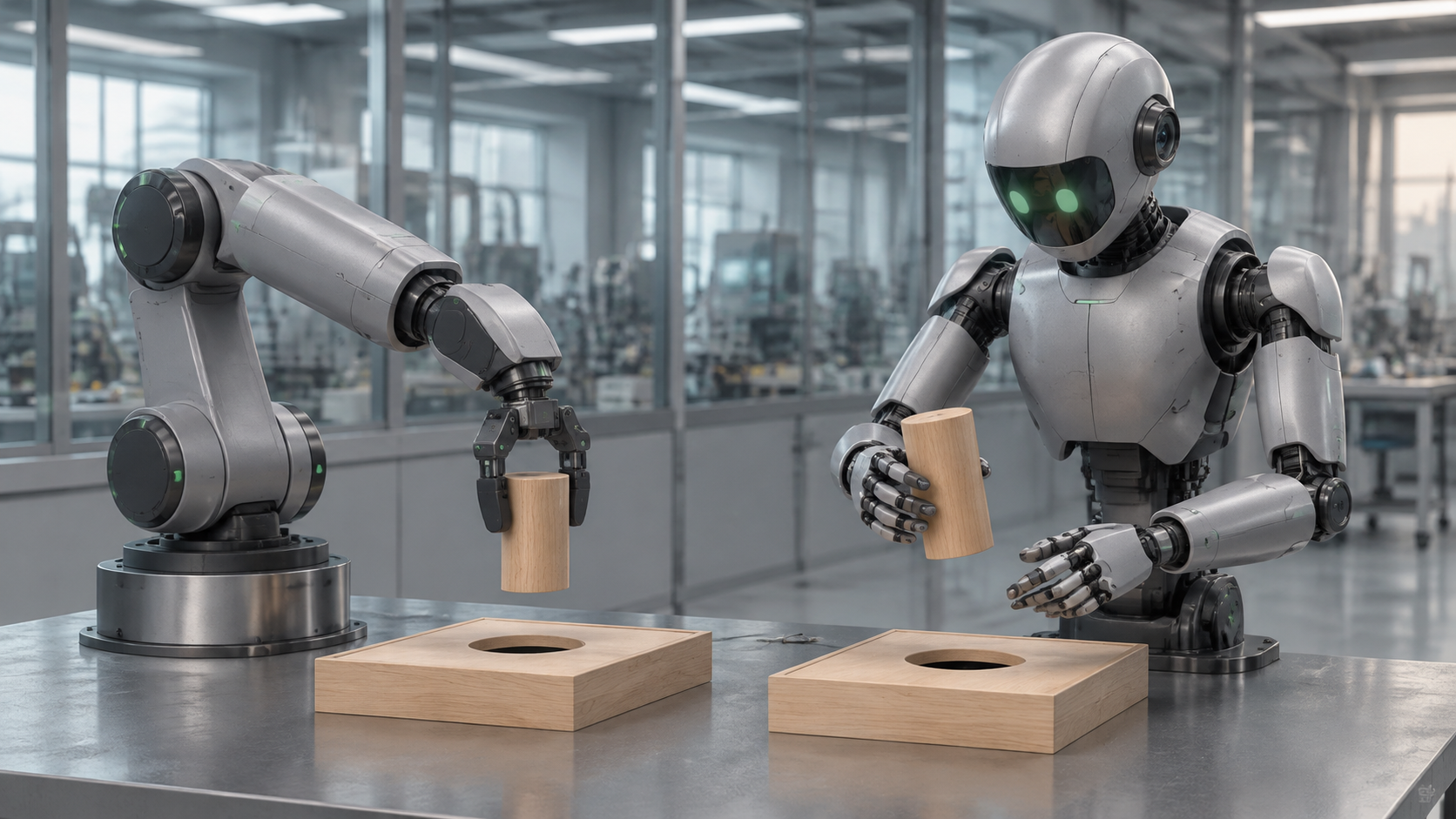
One of the most significant breakthroughs in this space is cross-embodiment training. Historically, data collected by a quadruped robot was useless for training a robotic arm. Cross-embodiment models change this by mapping diverse hardware inputs and outputs into a shared latent space.
- Data Efficiency: By pooling data across different robot types, we overcome the data scarcity problem that has long plagued robotics.
- Transferable Skills: A model that learns navigation from a wheeled robot can transfer spatial awareness concepts to a legged robot.
- Rapid Prototyping: New hardware platforms can be brought online faster by leveraging the pre-trained "common sense" of the foundation model.
Breaking Down Single-Purpose Silos
Enterprise automation has traditionally been fragmented. A warehouse might use AGVs from Vendor A, picking arms from Vendor B, and inspection drones from Vendor C—none of which share intelligence or learn from one another. Foundation models provide a unified cognitive architecture. When an inspection drone encounters a novel obstacle, the underlying model updates, and that learning can theoretically benefit the navigation stack of the AGVs.
"We are moving from an era of programming robots to an era of teaching them. Foundation models provide the baseline 'common sense' that makes this teaching process scalable."
Real-World Applications and Enterprise Impact
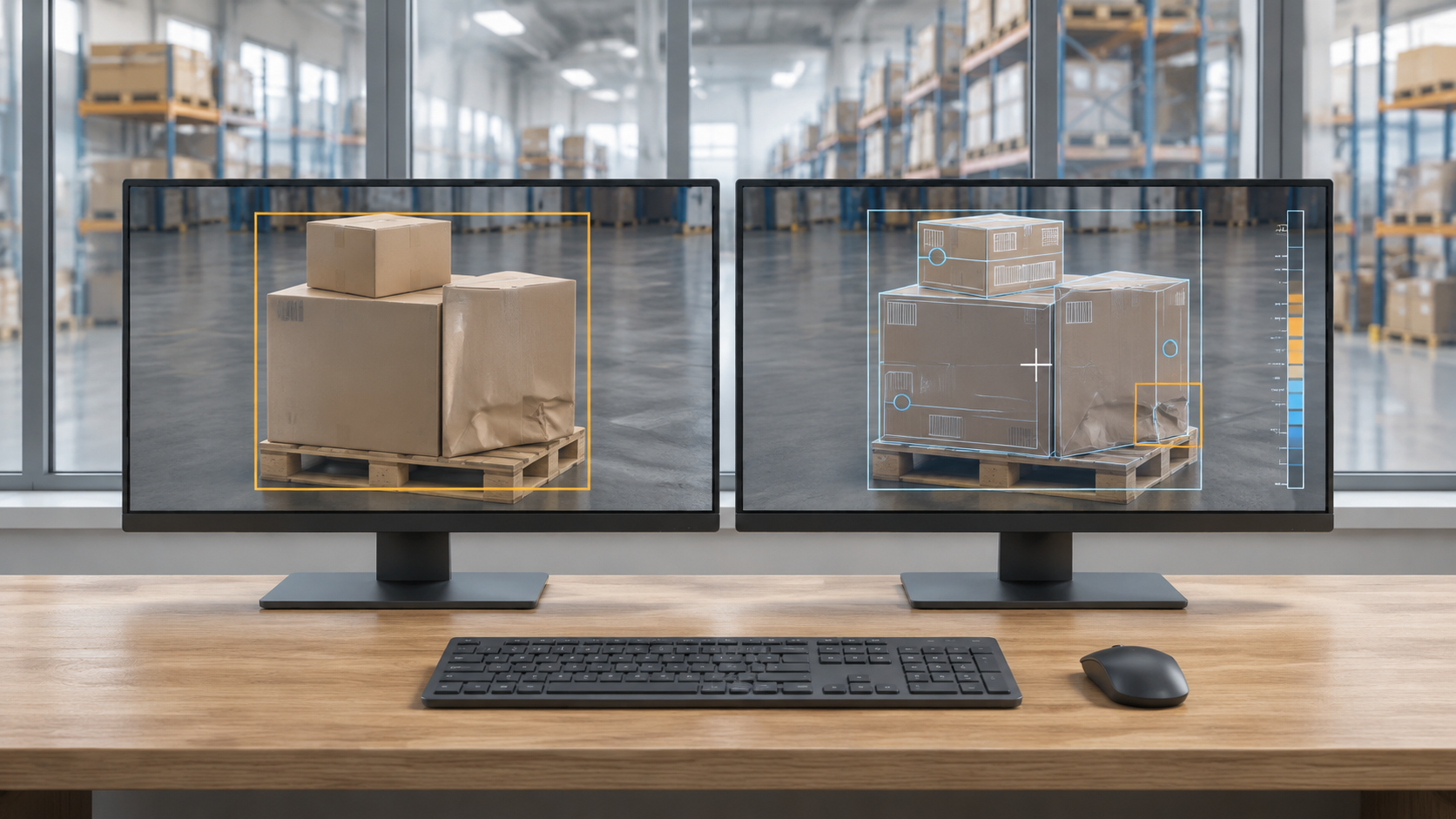
The implications for enterprise operations are profound. In logistics, foundation models enable bimanual robots to handle highly variable, deformable packaging that previously required human intervention. In manufacturing, they allow autonomous systems to adapt to new product lines without requiring months of reprogramming.
However, deploying these models safely requires rigorous validation. The non-deterministic nature of large neural networks means that traditional software testing is insufficient. We must rely on high-fidelity simulation, adversarial testing, and robust safety bounds to ensure these generalized models behave predictably in critical industrial environments.
Looking Ahead
The transition to foundation models in robotics is not just a software upgrade; it is a fundamental reimagining of how physical work is automated. As these models grow more sophisticated, the barrier to entry for deploying intelligent, adaptable robots will continue to fall, unlocking new levels of productivity and resilience across the supply chain.
About Denali Elevate Editorial Team
Denali Elevate Editorial Team is our Chief AI Research Officer with 15+ years in machine learning and robotics. PhD in Computer Science from MIT.