Enterprise Automation ROI: Beyond Labor Replacement to Total Cost of Ownership
When enterprise leaders evaluate robotics and physical AI, the conversation inevitably turns to Return on Investment (ROI). Historically, automation ROI was calculated using a simple formula: the cost of the robot divided by the labor cost it replaced. Today, as autonomous systems become deeply integrated into the operational fabric of the enterprise, this traditional math is dangerously incomplete.
Moving Beyond Labor Replacement
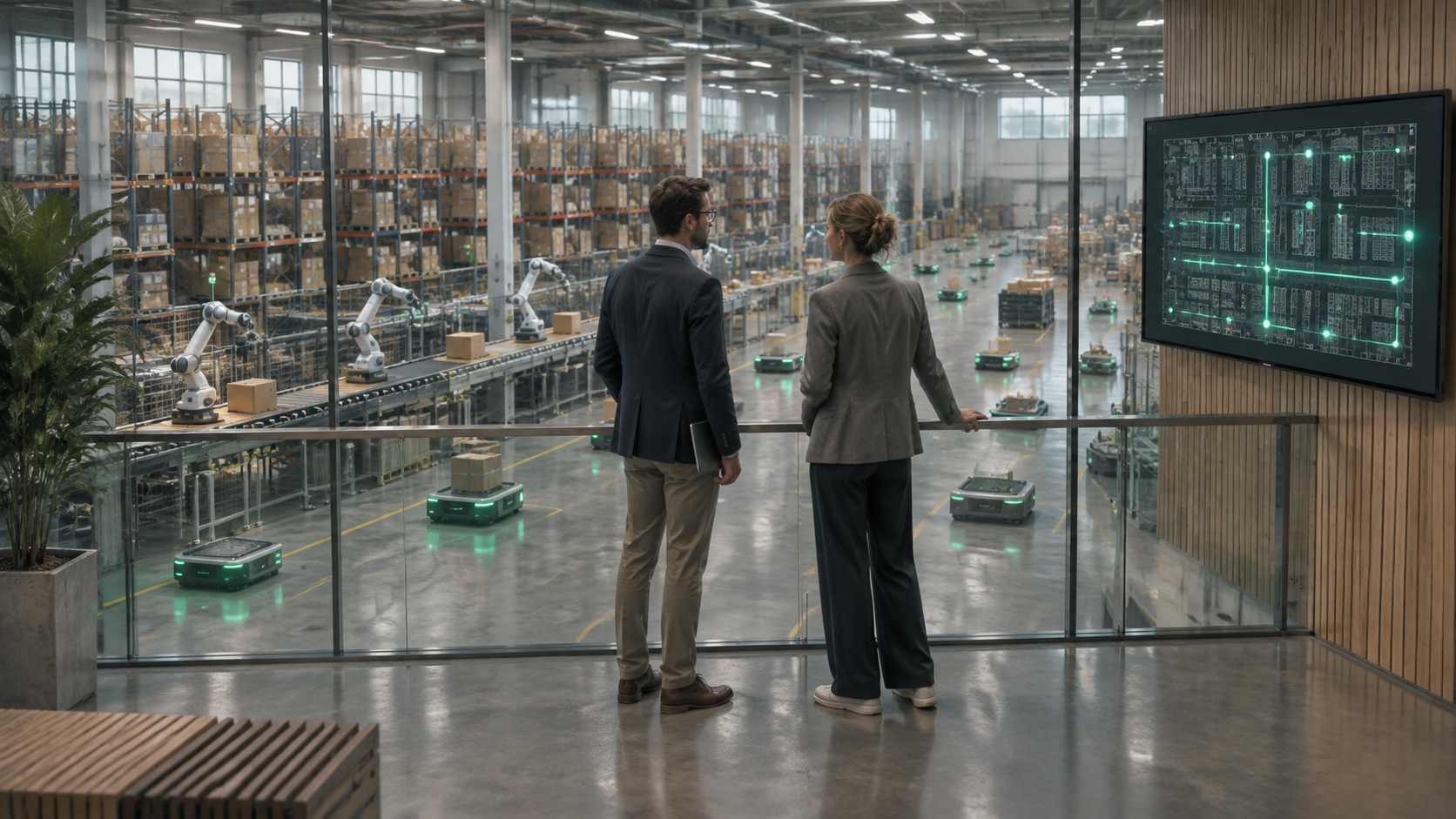
Viewing physical AI solely as a labor replacement tool ignores the compounding value of intelligent infrastructure. Modern autonomous systems do not just perform tasks; they generate data, optimize workflows, and provide unprecedented operational resilience.
A holistic ROI calculation must account for Total Cost of Ownership (TCO) against a broader spectrum of value drivers:
- Throughput Velocity: AI-driven dynamic routing can increase facility throughput by 30-50% without expanding the physical footprint.
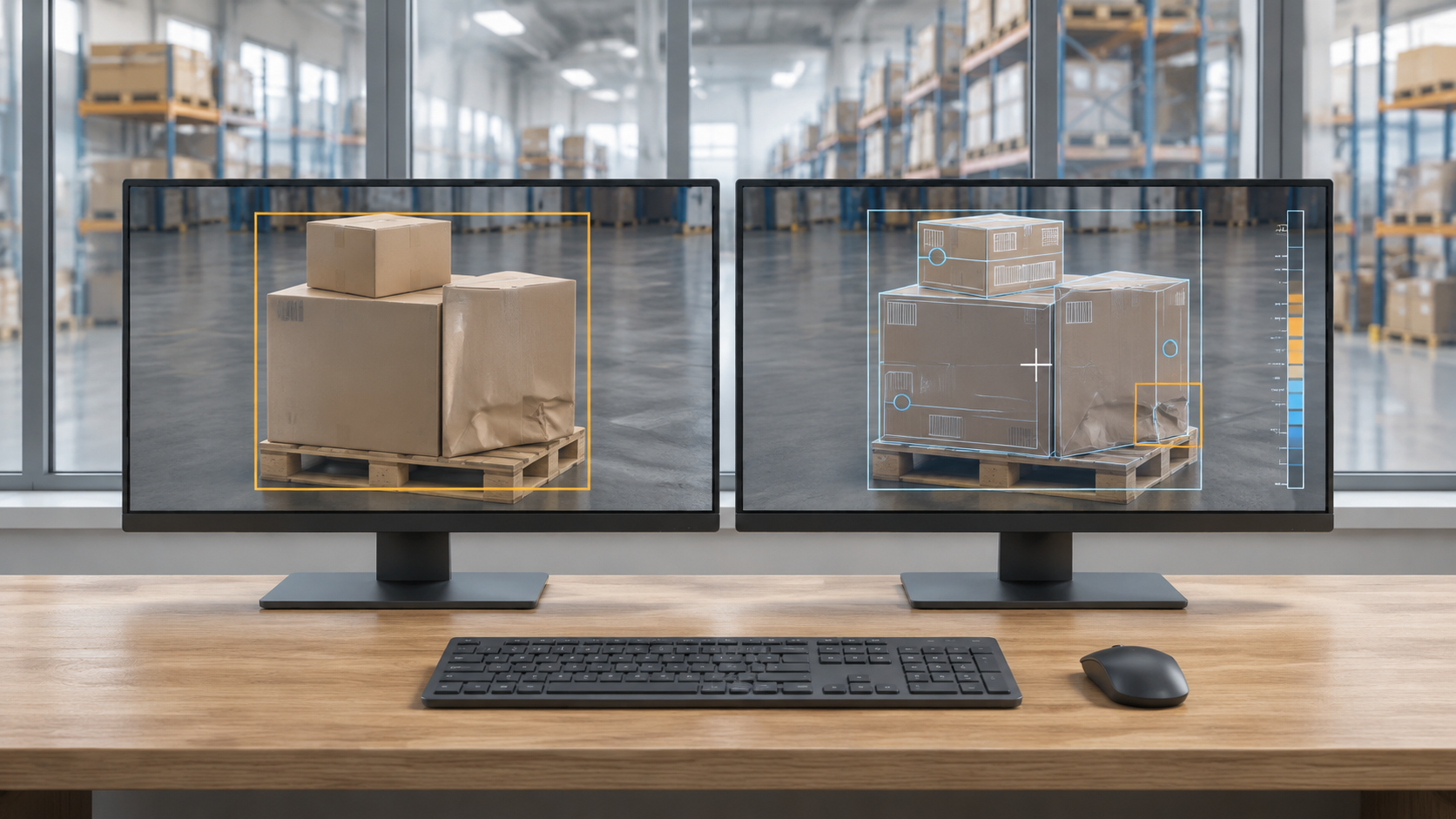
- Error Reduction: Automated defect detection systems operate with 99.9% accuracy, drastically reducing downstream rework costs and customer returns.
- Safety and Compliance: Removing humans from hazardous environments reduces insurance premiums, workers' compensation claims, and costly operational downtime.
Calculating Total Cost of Ownership (TCO)
The upfront capital expenditure (CapEx) of hardware is only one piece of the puzzle. Enterprise leaders must model the ongoing operational expenditures (OpEx), including:
- Cloud compute and infrastructure for model training and inference.
- Software licensing and continuous over-the-air (OTA) updates.
- Hardware maintenance, sensor calibration, and eventual depreciation.
Conversely, the financial model must also capture the cost of inaction. In a tight labor market, the inability to scale operations during peak seasons represents massive lost revenue—a risk that autonomous systems directly mitigate.
"The true ROI of physical AI is not found in the headcount you reduce, but in the operational bottlenecks you eliminate and the new scale you unlock."
Implementation Timelines and Time-to-Value
Traditional automation projects often suffered from multi-year integration cycles. The advent of foundation models and high-fidelity simulation has radically compressed time-to-value. By training policies in simulation before hardware is even installed, enterprises can achieve production-ready deployments in months rather than years.
We typically see a payback period of 12 to 18 months for advanced robotic deployments, driven by immediate gains in throughput and the elimination of seasonal hiring spikes.
Measuring the Intangibles
Some of the most significant benefits of physical AI are difficult to put on a balance sheet. How do you value the data generated by a fleet of autonomous robots continuously mapping your facility? How do you quantify the agility to reconfigure a manufacturing line in days instead of weeks?
Forward-thinking enterprises treat physical AI not as a point solution, but as strategic infrastructure. The ROI is measured not just in immediate cost savings, but in the long-term competitive advantage of building a resilient, software-defined supply chain.
About Denali Elevate Editorial Team
Denali Elevate Editorial Team is our VP of Enterprise Solutions with 18+ years in business transformation and automation ROI. MBA from Stanford.