The Real-World Friction of "Dynamic Intelligence": Moving Enterprises Beyond Rigid Automation
Every operations leader knows that the biggest lie in business software is the "perfect plan." We spend millions mapping out workflows, installing ERPs, and programming automated systems to handle every foreseeable scenario. Yet, on any Tuesday at 2:00 PM, the reality of running an enterprise sets in. A supplier’s truck is delayed three hours, a vital piece of machinery starts vibrating weirdly on the assembly line, or a sudden spike in order priorities turns the warehouse floor into a bottleneck.
Under pressure, the carefully engineered "smart" systems we rely on usually do one of two things: they break, or they simply wait for a human to override them.
This is where the promise of AI often collides with physical and operational reality. For too long, "enterprise intelligence" has meant looking backward through dashboards or relying on prediction models that only update once a week. To survive an unpredictable market, companies are moving toward dynamic intelligence - systems that don’t just predict the future based on the past, but actively perceive, reason, and adapt to what is happening on the ground right now.
The Deficiencies of "Frozen" Automation
Over the last decade, the enterprise world went all-in on predictive analytics and robotic task automation. While these investments did trim waste, they also created a subtle operational hazard: "insight without agility."
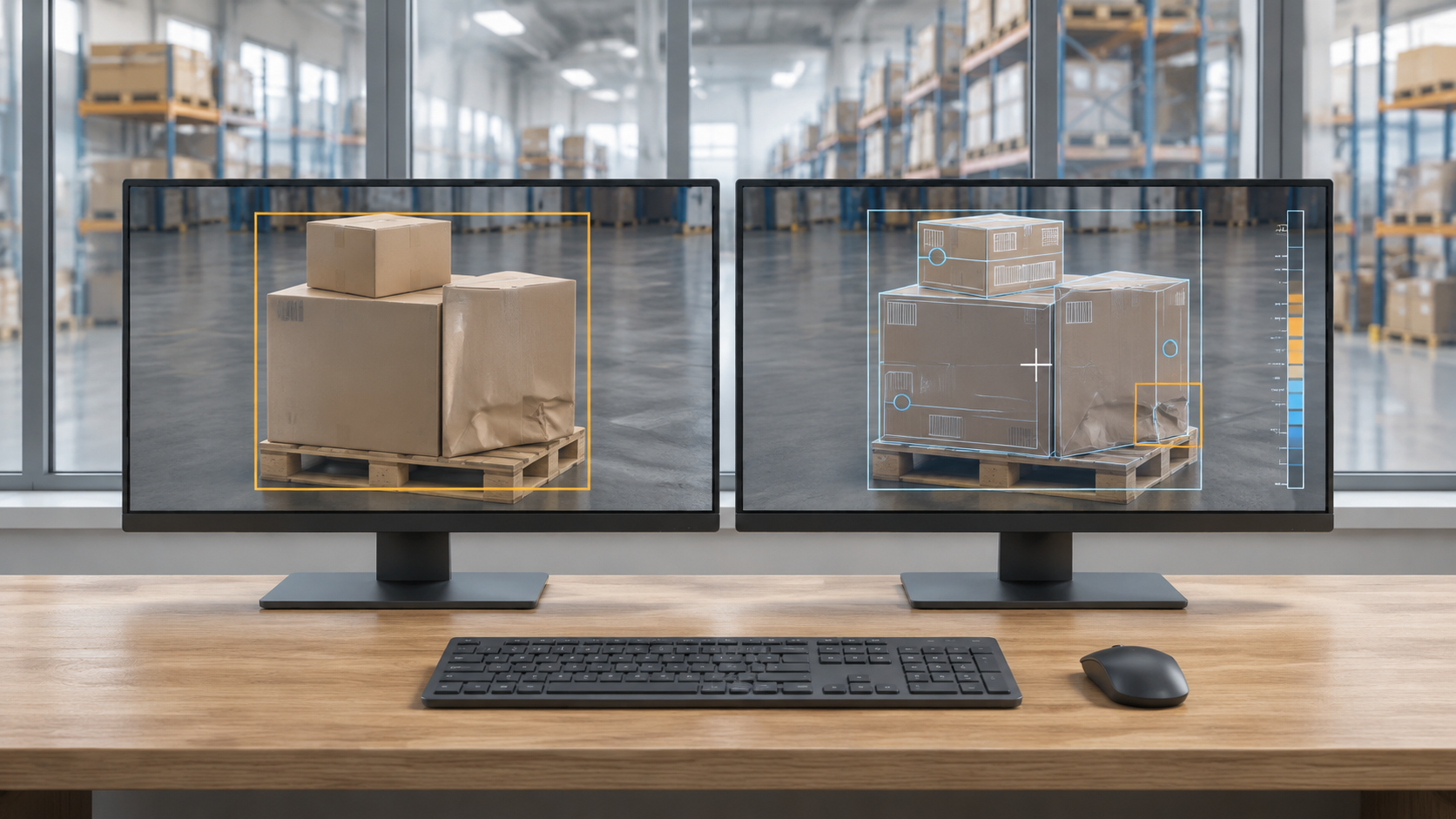
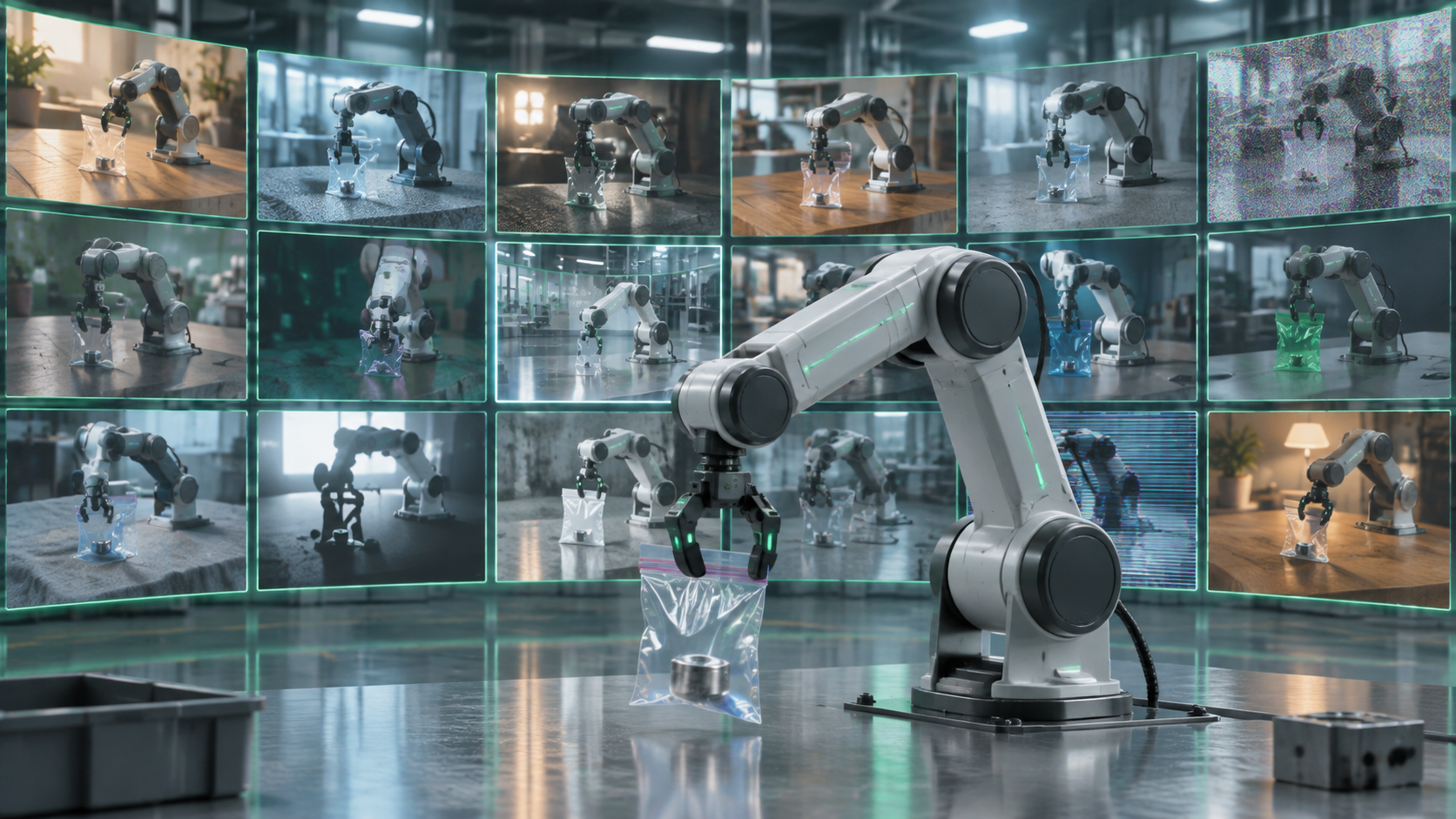
Consider a forecasting model that takes 24 hours to ingest data and output a schedule. It is functionally blind to a sudden roadblock at a shipping dock or an unannounced equipment failure. Similarly, a robotic arm or autonomous vehicle with rigid, pre-programmed logic will happily try to grab a misplaced part until it faults and stalls the entire line.
Static AI doesn’t just fall short in the physical world; it becomes a burden. If your intelligence can tell you that a disruption is coming but can't change schedules, reroute assets, or adjust machine behaviors in real time to mitigate it, it’s not really intelligent - it’s just a high-tech alarm bell.
The True Anatomy of Dynamic Enterprise Systems
To build an operation that can handle unexpected shifts without human intervention, we have to look past the hype of "generative AI" and look at the hard plumbing of edge systems. True dynamic intelligence isn't about running bigger models in the cloud; it's about connecting three critical capabilities:
- Continuous, Multi-Modal Sensing: Instead of relying strictly on structured databases or intermittent manual logs, dynamic systems read the live environment. This means fusing sensor data, visual feeds, IoT telemetry, and live order queues into a single, cohesive view of the operation.
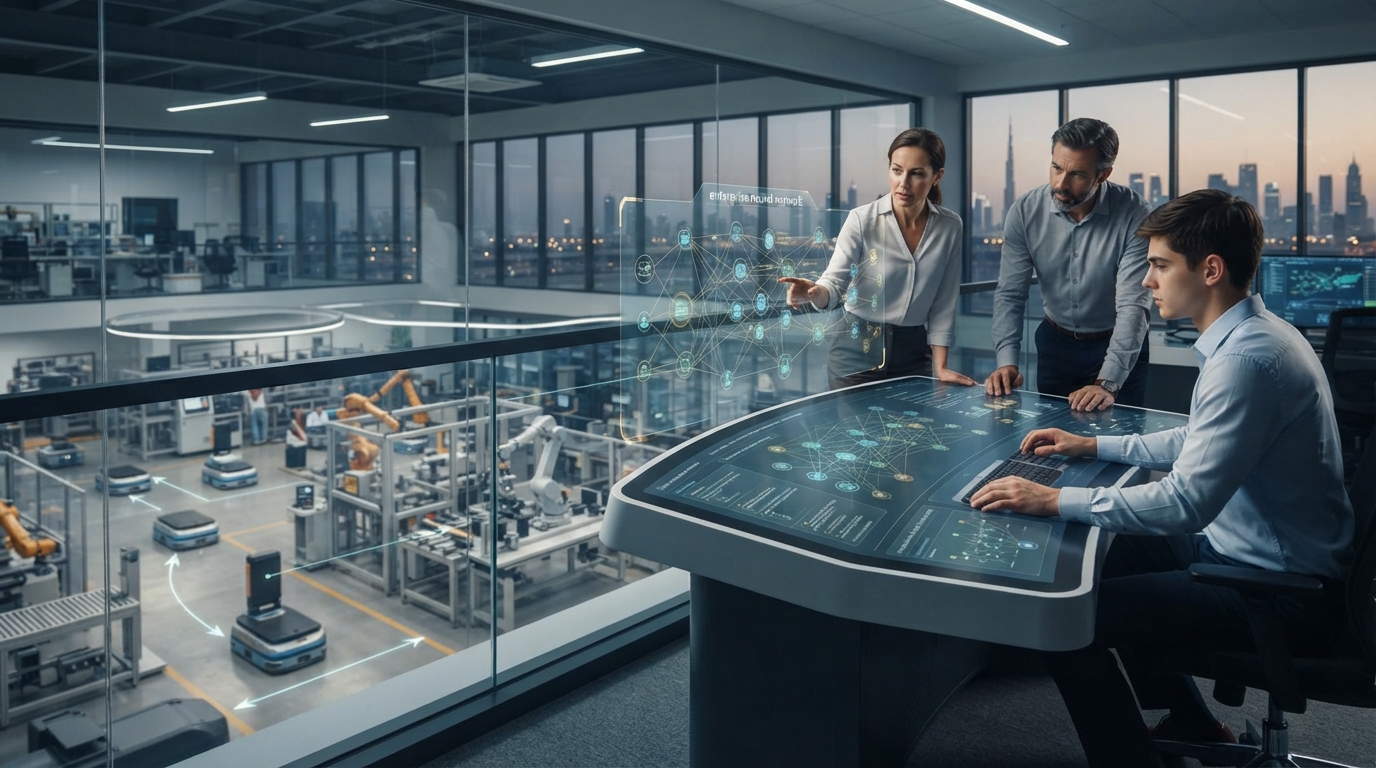
- A Living, Stateful Model: A dynamic system maintains an active digital understanding of the environment. It knows that if Machine A slows down, it will cascade into Buffer B within twenty minutes, and proactively adjusts upstream pacing to prevent a logjam.
- Real-Time Adaptive Planning: This is the hard part. It requires the system to weigh complex trade-offs—such as balancing throughput against equipment wear, energy costs, and safety boundaries—and recalculate decisions in milliseconds as variables shift.
- Guardrails and Graceful Escalate: An intelligent system must have deterministic safety and operational boundaries. It should autonomously manage routine variations, but flag anomalies with complete, rich context to a human supervisor the second those boundaries are threatened.
Bridging the Gap: The Role of Partners like Denali
The hardest part of deploying dynamic intelligence is that you can’t buy it off the shelf. You cannot run an adaptive fulfillment center or a self-correcting manufacturing line using standard IT frameworks. It requires a rare blend of deep software engineering, high-performance edge compute, and a gritty understanding of physical machinery.
This is the exact challenge Denali (denalielevate.com) has set out to solve. Instead of offering abstract consulting or isolated AI copilots, Denali focuses on end-to-end integration where software meets the physical floor.
By tying real-time perception and decision-making directly to industrial controls, autonomous fleets, and enterprise software layers, Denali helps operations shift from fragile, rule-based setups to resilient, adaptive environments. They validate these workflows in simulation first, then implement them directly at the edge, so that when a delivery fails, a machine drifts, or a priority shifts, the system reacts and keeps moving safely.
Where the ROI of Adaptability Is Won
The businesses seeing the fastest return on these systems are those operating where high variability meet thin margins:
- In Logistics & Warehouse Orchestration: Instead of pushing static batch lists to workers and robots, dynamic systems continuously re-route tasks based on live congestion, labor availability, and changing carrier times.
- On the Production Floor: Adaptive systems adjust robots and conveyor pacing on the fly, compensating for natural part variations, fluctuating feed rates, or sudden bottlenecks without stopping the line.
- In High-Value Asset Maintenance: Shifting from "run until it breaks" or rigid calendar maintenance to true condition-based operation, where systems predict failure from visual, thermal, or acoustic signs and adjust work patterns to preserve the asset until scheduled downtime.
Managing Perpetual Friction
At the end of the day, competitive advantage is no longer about who can write the most efficient five-year plan; it’s about who can absorb daily operational chaos with the least friction. Dynamic intelligence transforms change from a disruptive crisis into just another variable to be optimized - empowering enterprises to keep moving, no matter what happens on the floor.
About Denali Elevate Editorial Team
The Denali Elevate Editorial Team covers physical AI, robotics infrastructure, simulation, and enterprise deployment practices.