Custom Foundation Models: Turning Operational Data into Proprietary Physical Intelligence
The AI revolution has been driven by massive, general-purpose foundation models. While these off-the-shelf models are incredibly powerful for general tasks, enterprise robotics requires a level of precision, reliability, and domain specificity that generic models simply cannot provide. Enter the era of the custom foundation model.
The Limitations of Off-the-Shelf Models
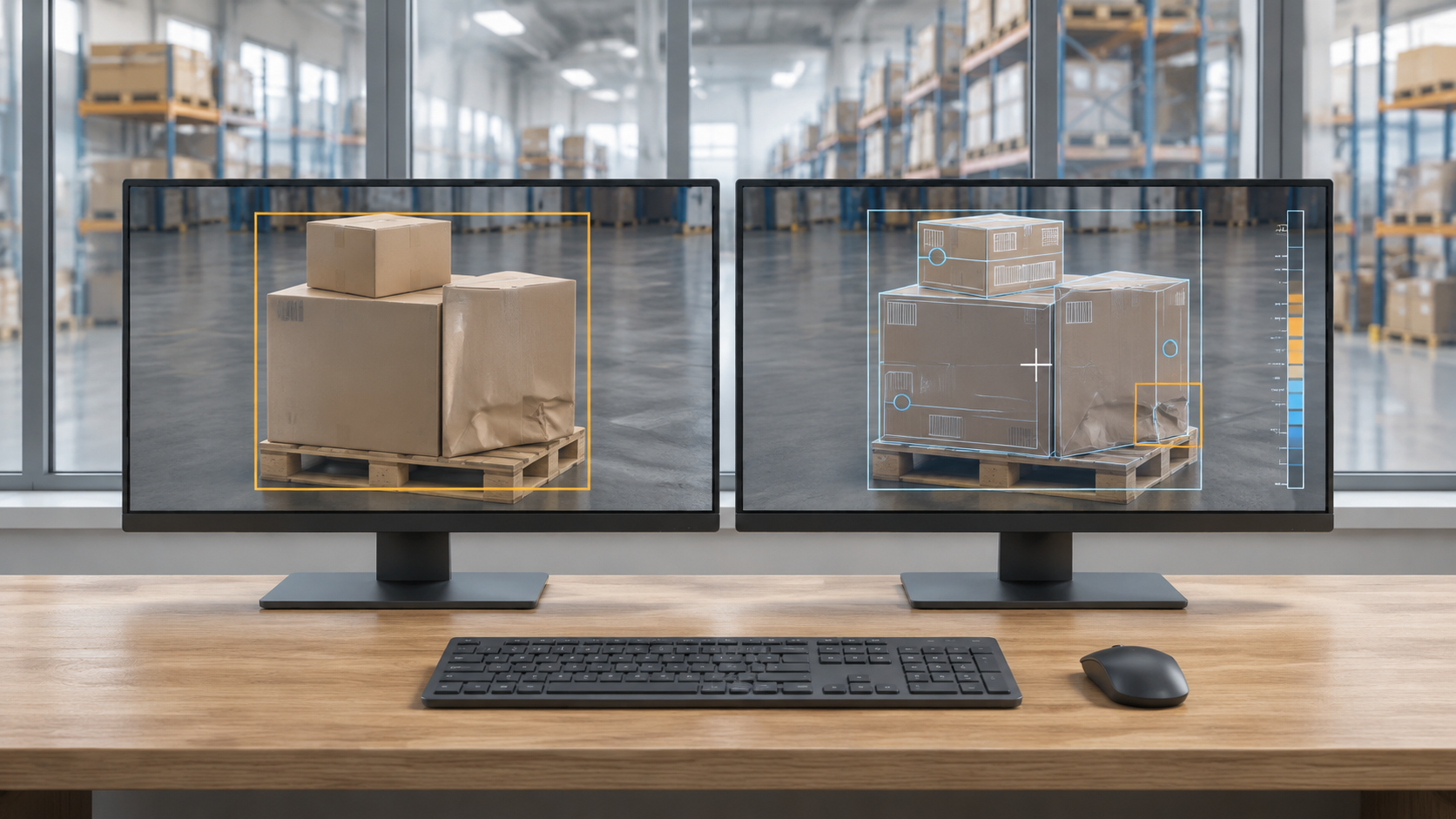
A general-purpose vision-language model might be excellent at identifying a "box" or a "pallet." However, in a specialized manufacturing facility, the system doesn't just need to see a box; it needs to identify a specific SKU, assess its structural integrity, understand its center of mass, and know exactly how much torque to apply without crushing the contents.
Off-the-shelf models lack this deep, domain-specific context. Furthermore, they are often too computationally heavy to run efficiently on edge devices (the compute hardware physically located on the robot), leading to latency issues that are unacceptable in real-time control systems.
The Power of Domain-Specific Training
Custom foundation models are built by taking a generalized architecture and training it extensively on proprietary, facility-specific data. This process involves:
- Data Ingestion: Collecting terabytes of sensor data, video feeds, and teleoperation logs directly from the enterprise's operational environment.
- Continuous Fine-Tuning: Using this data to adapt the model's weights, teaching it the specific physics, lighting conditions, and edge cases of the facility.
- Model Distillation: Compressing the massive model into a smaller, highly optimized version that can run at 50Hz+ on edge compute hardware.
"Your operational data is your competitive moat. A custom foundation model transforms that raw data into proprietary physical intelligence."
Enterprise Integration and Security
Beyond performance, custom models solve critical enterprise security requirements. Many organizations cannot send sensitive operational video feeds or proprietary manufacturing processes to third-party cloud APIs. Custom models can be deployed entirely on-premise or in secure, dedicated virtual private clouds (VPCs), ensuring complete data sovereignty.
Cost-Benefit Analysis
Developing a custom foundation model requires significant upfront investment in compute infrastructure and data engineering. However, the long-term benefits far outweigh the costs. A highly optimized custom model reduces the need for expensive edge hardware, drastically lowers error rates, and allows the enterprise to scale automation to highly complex tasks that competitors relying on generic software cannot touch.
The Future of Enterprise AI
As the tooling for model training becomes more accessible, we will see a shift from companies buying "robotics as a service" to companies building their own "physical AI factories." The enterprises that win the next decade will be those that successfully harness their operational data to build custom, highly specialized foundation models that drive their physical infrastructure.
About Denali Elevate Editorial Team
Denali Elevate Editorial Team is our Chief Technology Officer with 20+ years in AI/ML and enterprise software. PhD in Machine Learning from Stanford.