Why UAE Enterprises Are Moving AI From Experiments to Operational Systems
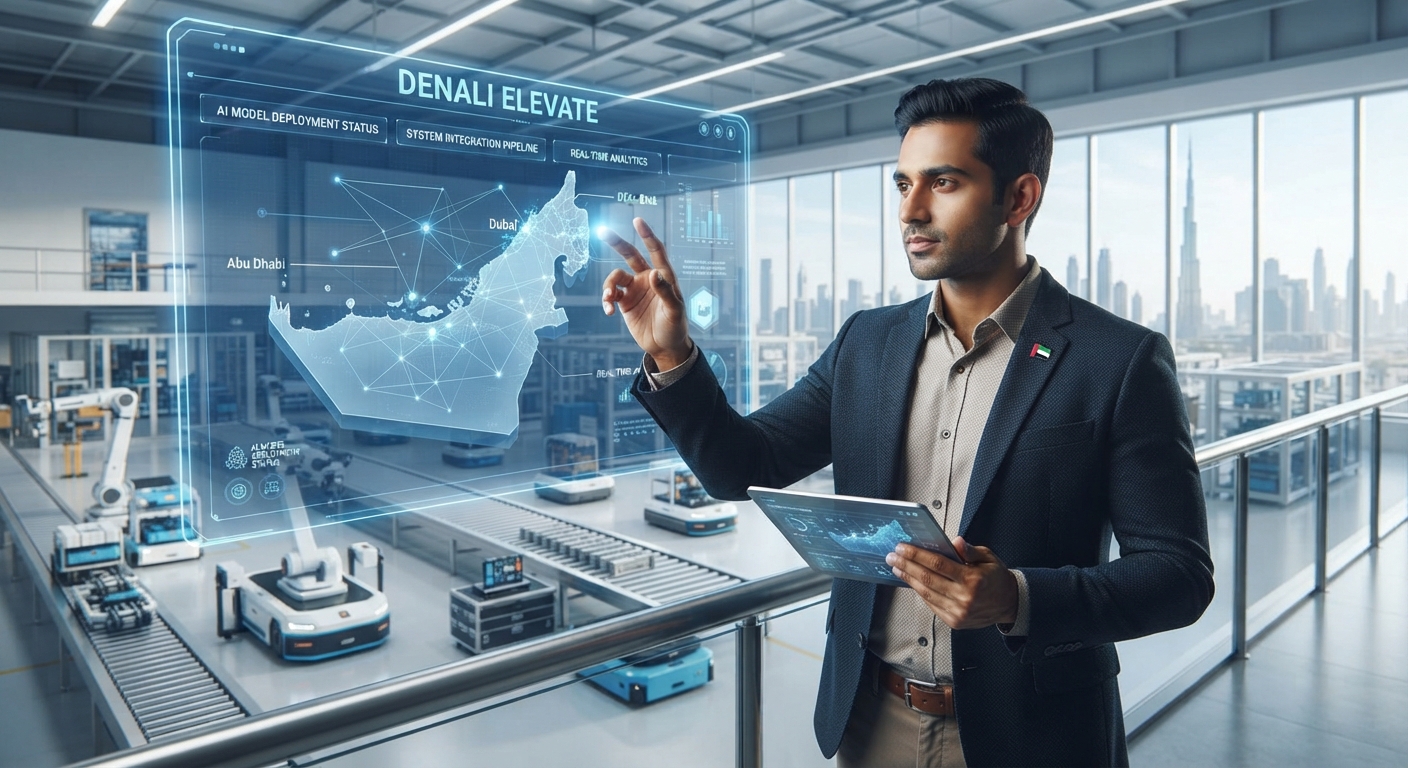
The United Arab Emirates is no longer simply experimenting with artificial intelligence. Across Dubai, Abu Dhabi, and the wider GCC, organizations are under pressure to turn AI from a strategic ambition into production-grade infrastructure. Several structural forces are making specialized AI consulting and integration increasingly essential.
From pilots to production systems
AI adoption among the UAE’s working-age population already exceeds 70%, but enterprise-scale deployment is a different challenge. It requires deep architectural work: connecting models to legacy ERP, CRM, and industrial control environments, not just deploying standalone tools. Demand for AI integration and implementation services in the UAE is growing at nearly 28% annually as companies move from proofs of concept to operational systems.
Sovereign compute and infrastructure expansion
Large-scale AI data center projects such as Stargate UAE, together with expanding local cloud regions, are giving enterprises access to significant in-country compute capacity. But access alone is not enough. Organizations need help designing hybrid cloud and on-premise pipelines that satisfy strict UAE data sovereignty and compliance requirements.
Physical AI and industrial automation
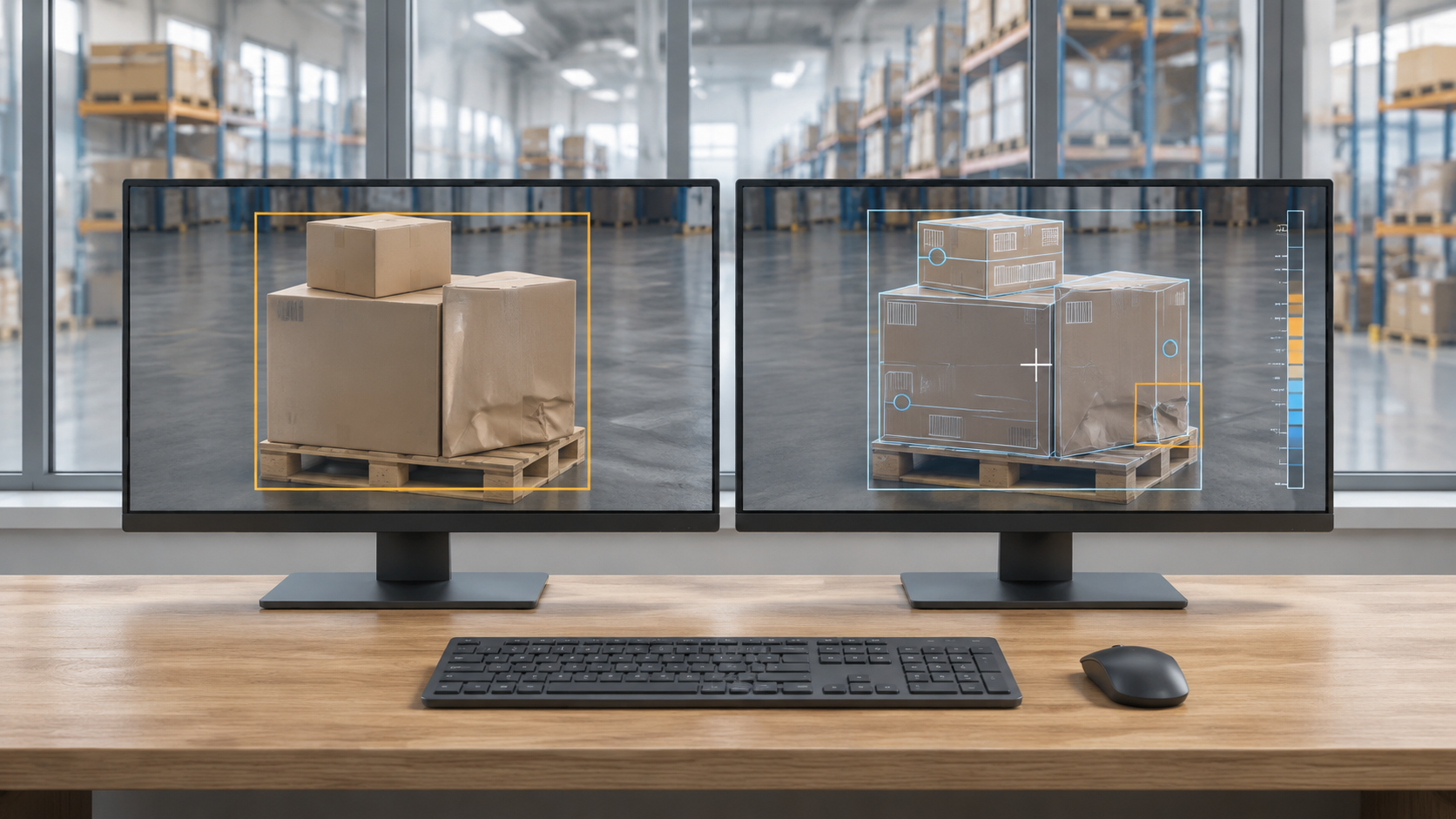
The UAE’s economic diversification agenda places heavy emphasis on logistics, smart manufacturing, energy, and facility operations. Putting intelligence into physical assets - autonomous guided vehicles, warehouse robotics, automated inspection systems - requires engineering discipline well beyond conventional IT consulting.
Governance and safety requirements
Regulatory expectations in the UAE are becoming more demanding. Before AI systems can be cleared for live deployment in critical sectors, they increasingly need to demonstrate explainability, bias auditing, and deterministic safety constraints.
What modern integration actually requires
Market leaders are no longer looking for presentation decks. They need technical partners who can manage the full AI lifecycle. Effective integration now rests on four capabilities:
- Readiness and architecture audits: assessing data silos, sensor networks, and operational bottlenecks to identify use cases with measurable ROI.
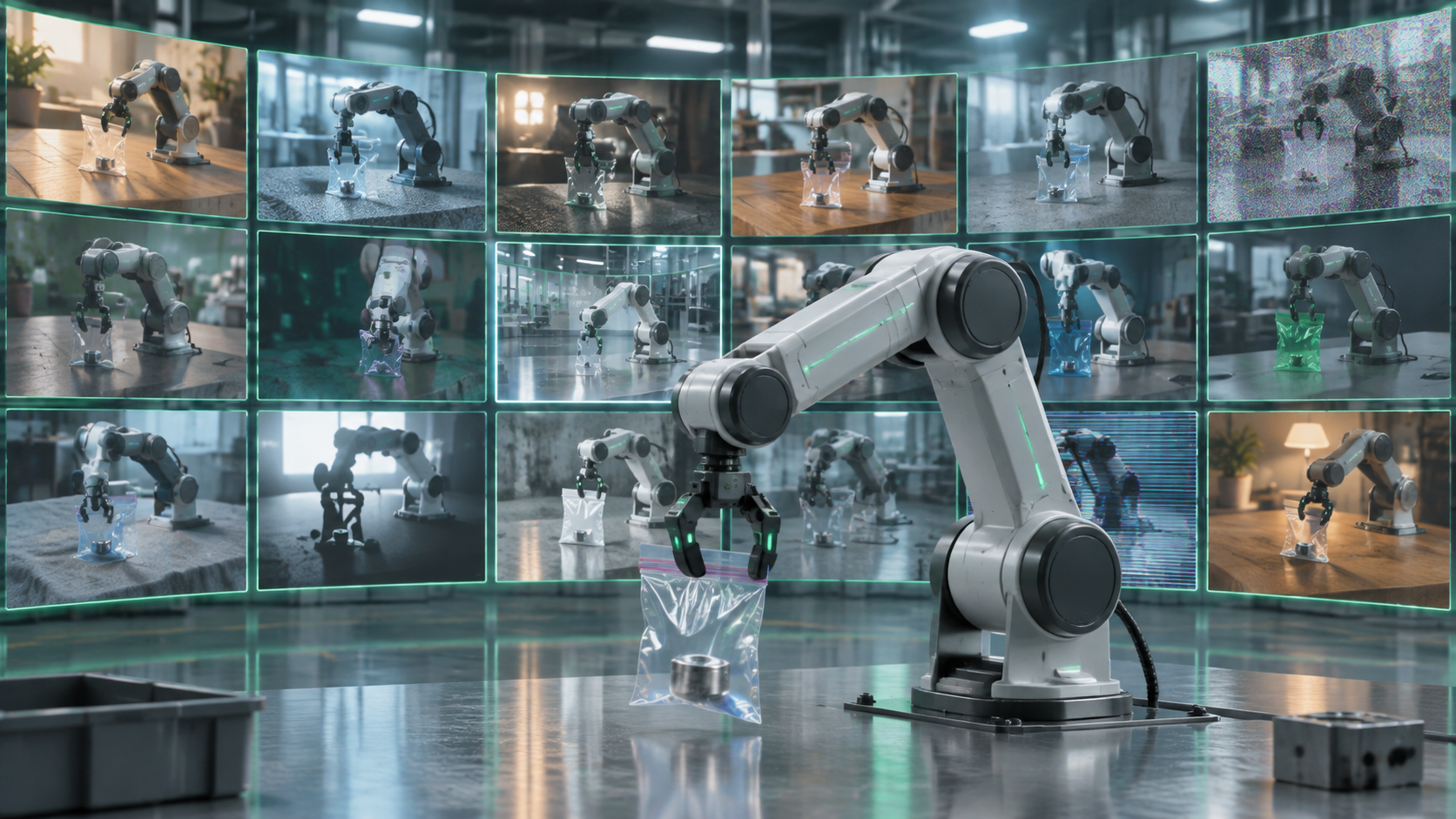
- Custom model engineering and simulation: building domain-specific models - including vision-language systems and robotics foundation models - and validating them in simulated environments before exposing live physical assets to risk.
- Low-latency edge and cloud deployment: engineering unified platforms where inference happens in milliseconds, enabling real-time response in dynamic environments.
- Continuous monitoring and lifecycle support: implementing MLOps and telemetry frameworks that guard against model drift and help systems adapt as operating conditions change.
Denali Elevate: connecting consulting, AI, and autonomous systems
As demand shifts toward high-stakes, production-ready deployments, specialized technology integrators are filling the gap between AI research and measurable industrial outcomes.
Denali Elevate (denalielevate.com/technology) represents this newer generation of technical AI consulting and integration partners. Instead of treating software as a standalone layer, Denali Elevate works at the intersection of enterprise AI, high-performance cloud infrastructure, and Physical AI - delivering end-to-end autonomous solutions for logistics, facility operations, and industrial inspection.
Core technological capabilities
Through a unified deployment architecture, Denali Elevate addresses some of the hardest engineering challenges in modern AI integration:
- Multi-modal perception and scene understanding: combining vision-language models with RGB, depth, and LiDAR sensor fusion to support real-time object tracking, semantic segmentation, and environmental awareness.
- Dynamic navigation and fleet coordination: engineering path-planning and obstacle-avoidance systems that operate in unstructured, multi-floor facilities and interact with elevators, doors, and moving human traffic.
- Dexterous manipulation and locomotion: deploying contact-rich grasping policies and adaptive terrain locomotion for mobile and legged robotics across varied industrial surfaces.
- Simulation-first safety validation: using Software-in-the-Loop (SIL) simulation and formal verification to test models against safety constraints before physical rollout, achieving ultra-low inference latency of roughly 3ms and reliable sim-to-real transfer.
Looking ahead
The next phase of the UAE’s digital transformation will belong to organizations that can operationalize intelligence safely, reliably, and at scale. As enterprises across the Emirates modernize supply chains, smart facilities, and digital infrastructure, partnering with execution-focused integrators such as Denali Elevate can provide the technical foundation needed to turn ambitious AI strategies into tangible competitive advantage.
About Denali Elevate Editorial Team
The Denali Elevate Editorial Team covers physical AI, robotics infrastructure, simulation, and enterprise deployment practices.